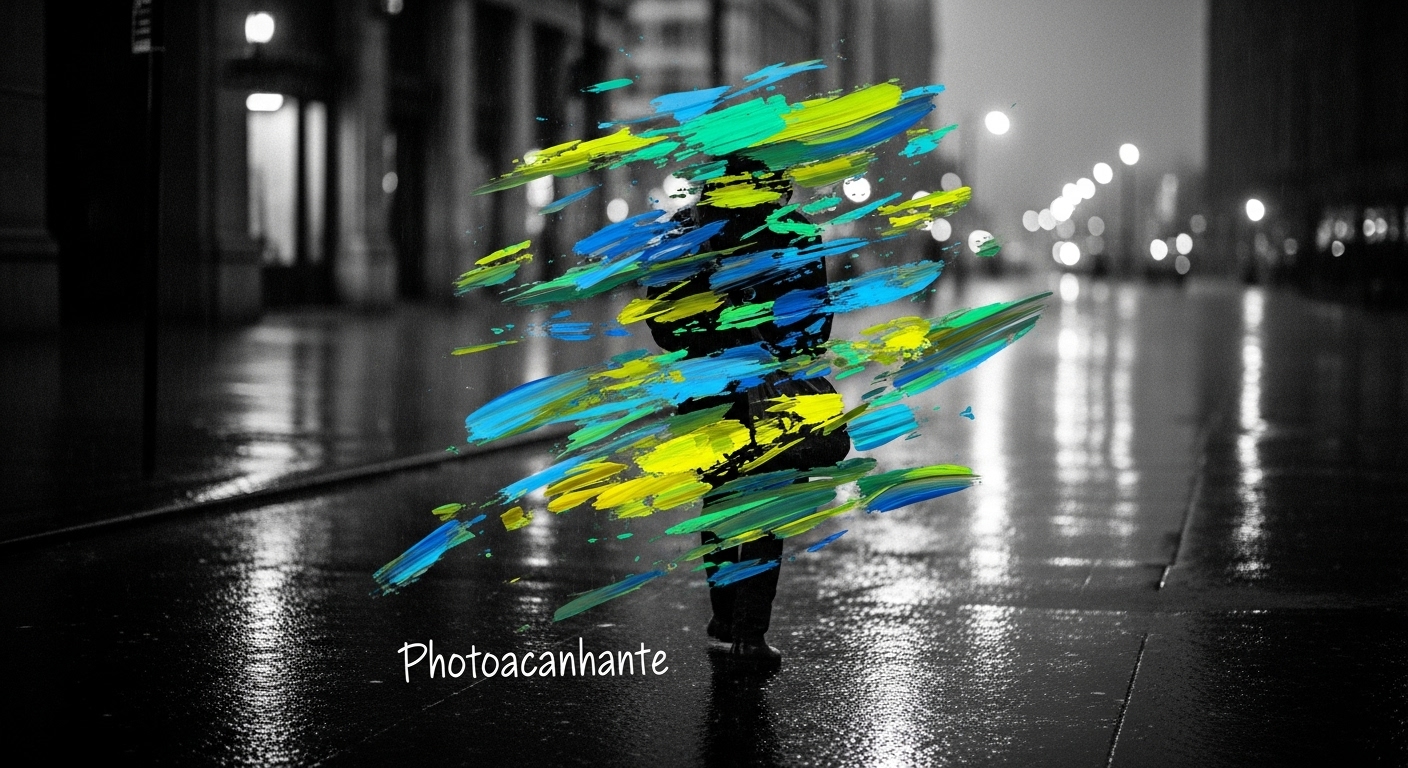
In the evolving world of visual creativity, one concept that has recently captivated artists and photographers alike is photoacanhante. This term represents a unique fusion of emotion, art, and visual storytelling. Unlike traditional photography that focuses purely on aesthetics, photoacanhante highlights the emotional depth behind each shot. It’s not just about capturing a scene—it’s about conveying the unseen story that exists within it.
What Makes Photoacanhante Unique?
What separates photoacanhante from conventional photography is its emotional core. While traditional methods aim for technical perfection, photoacanhante thrives on imperfection, authenticity, and raw feeling. It values the mood, tone, and subtle energy behind every photograph. Each image becomes more than a picture—it becomes a reflection of the creator’s inner thoughts and emotions.
In photoacanhante, lighting, angles, and composition work together to form emotional harmony. Whether it’s a quiet landscape or a portrait filled with intensity, this style invites the viewer to feel rather than just look. It’s an artistic conversation between the photographer’s soul and the observer’s heart.
The Philosophy Behind Photoacanhante
The philosophy of photoacanhante is built on the idea that art should evoke emotion. A true photograph, according to this concept, must have depth, storytelling, and humanity. Each click of the camera is guided not by perfectionism but by passion and intuition.
Artists who embrace photoacanhante often focus on the unseen beauty in everyday life—the shadows, the silence, the tiny details that others overlook. This mindful approach transforms photography into a meditative act, where every frame carries intention and emotional weight.
How to Create Photoacanhante Works
To master photoacanhante, one must learn to see beyond the lens. Start by observing the world through feeling, not logic. The technique emphasizes natural lighting, simplicity, and emotion-driven composition. Avoid over-editing or artificial enhancements, as they can strip away the soul of the image.
A good photoacanhante photograph captures moments that feel genuine—a child’s laughter, a drop of rain, the play of light on an old window. These small yet powerful details define the essence of the style. Each image should tell a quiet story that touches the viewer’s emotions without saying a word.
Emotional Storytelling Through Photoacanhante
At its heart, photoacanhante is about storytelling. Every image carries a narrative—a connection between what the artist feels and what the audience experiences. It invites the observer to pause and interpret, to find meaning in the colors, shadows, and expressions within the frame.
The emotional power of photoacanhante lies in its ability to communicate universality. A single photograph can express themes like love, loss, hope, and reflection without any need for text or explanation. This emotional honesty is what makes it timeless and deeply human.
The Role of Light and Shadow in Photoacanhante
In photoacanhante, light and shadow are more than just technical elements—they are emotional tools. Light represents clarity, warmth, and presence, while shadow symbolizes mystery, depth, and contemplation. When used together, they bring balance and harmony to the photograph.
Artists working with photoacanhante often experiment with subtle contrasts, soft tones, and ambient lighting to enhance emotional impact. This delicate play of brightness and darkness creates a poetic atmosphere that connects the viewer to the moment captured.
Modern Applications of Photoacanhante
Today, photoacanhante has extended beyond art galleries and photography studios. It has become a movement across social media, design, and advertising, where authentic emotional visuals are more valued than ever. Brands and creators are adopting photoacanhante to evoke real feelings and connect deeply with audiences in an era dominated by artificial perfection.
It’s also being explored in fine arts education, where students are encouraged to express themselves through personal storytelling rather than technical mastery alone. The growth of photoacanhante reflects a global shift toward authenticity and emotional intelligence in creative expression.
Why Photoacanhante Matters in the Digital Age
In a world overflowing with edited, filtered images, photoacanhante reminds us of the beauty of reality. It emphasizes emotional truth over digital polish, inspiring a return to raw, heartfelt creativity. This movement encourages both photographers and viewers to appreciate imperfection as part of the human experience.
By focusing on emotion and storytelling, photoacanhante bridges the gap between technology and humanity. It gives art a purpose beyond aesthetics—it gives it meaning.
Conclusion
Photoacanhante is not just a trend; it’s a creative revolution that challenges the way we see and feel art. By merging photography with emotion, it transforms ordinary images into powerful visual experiences. Every photograph taken in this style becomes a piece of the artist’s heart, inviting others to connect through shared feelings and stories. In the end, photoacanhante reminds us that true art doesn’t just show—it speaks, moves, and inspires.
For related content, take a look at bitsandblogs.space.
We also recommend visiting GlobalBuzz.click.
We also recommend visiting BuzzDaily.click.
For related content, take a look at BuzzDailyPress.click.
We also recommend visiting BuzzDaily.click.
For related content, take a look at PressBuzzDaily.click.
For more insights, check out BuzzPressExpress.click.
We also recommend visiting GlobalBuzz.click.
A great resource worth exploring is BuzzDaily.click.
For more insights, check out freelanceforge.co.uk.
About the Author